Lawn Fertilisation Tips
Like all plants, lawns need nitrogen, potassium and phosphorus (often shortened to NPK) to grow well. However, lawn grass is hungry and tends to suck all the nutrients out of the soil faster than it can naturally be replaced. Good lawn fertiliser will have the correct ratios of NPK, as well as the proper balance of the micronutrients that grass needs to thrive.
When To Fertilise Your Lawn
Fertilise your lawn at least twice a year, once in spring and once in autumn. Fertilising grass in spring will encourage it to grow healthy and strong enough to cope with the heat of summer. Fertilising your lawn in autumn will give it the nutrients it needs to weather the cold, which most grass types do not handle well.
Regular fertilisation also ensures the consistent health of your lawn and the soil beneath it.

Types Of Lawn Fertiliser
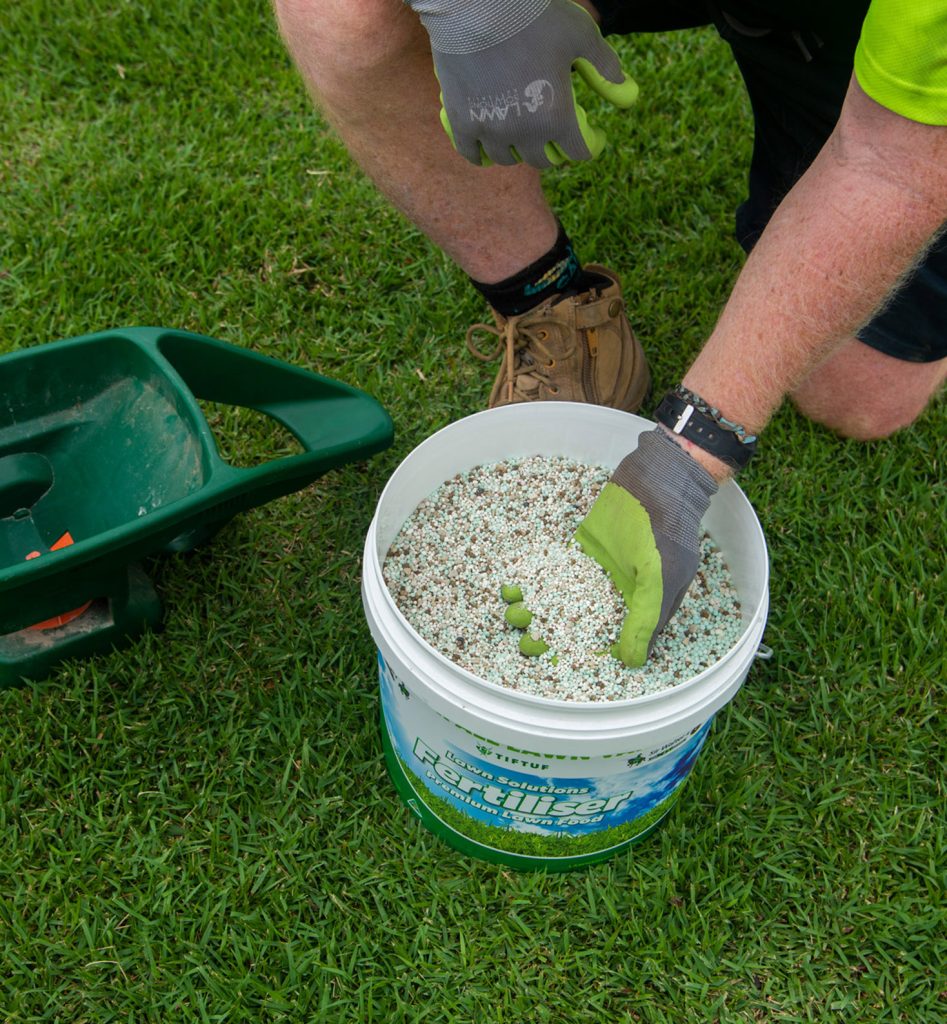
You can choose a chemical or organic lawn builder. A chemical grass fertiliser will work almost instantly. Organic fertilisers are more eco-friendly and help with the overall health of the soil, but they will take longer to work.
There are also two different application methods for lawn fertilisers – liquid or pelletised. Liquid fertilisers require more frequent applications but are absorbed quickly. Pellets will break down over time. In fertilisers of equal quality, the application method does not make a difference. It comes down to your preference, and what ingredients besides nutrients you need it to contain. A common addition is soil wetting agent, which is useful in areas with hydrophobic soils or little rainfall (or both).
Other Fertilisation Tips


FAQs
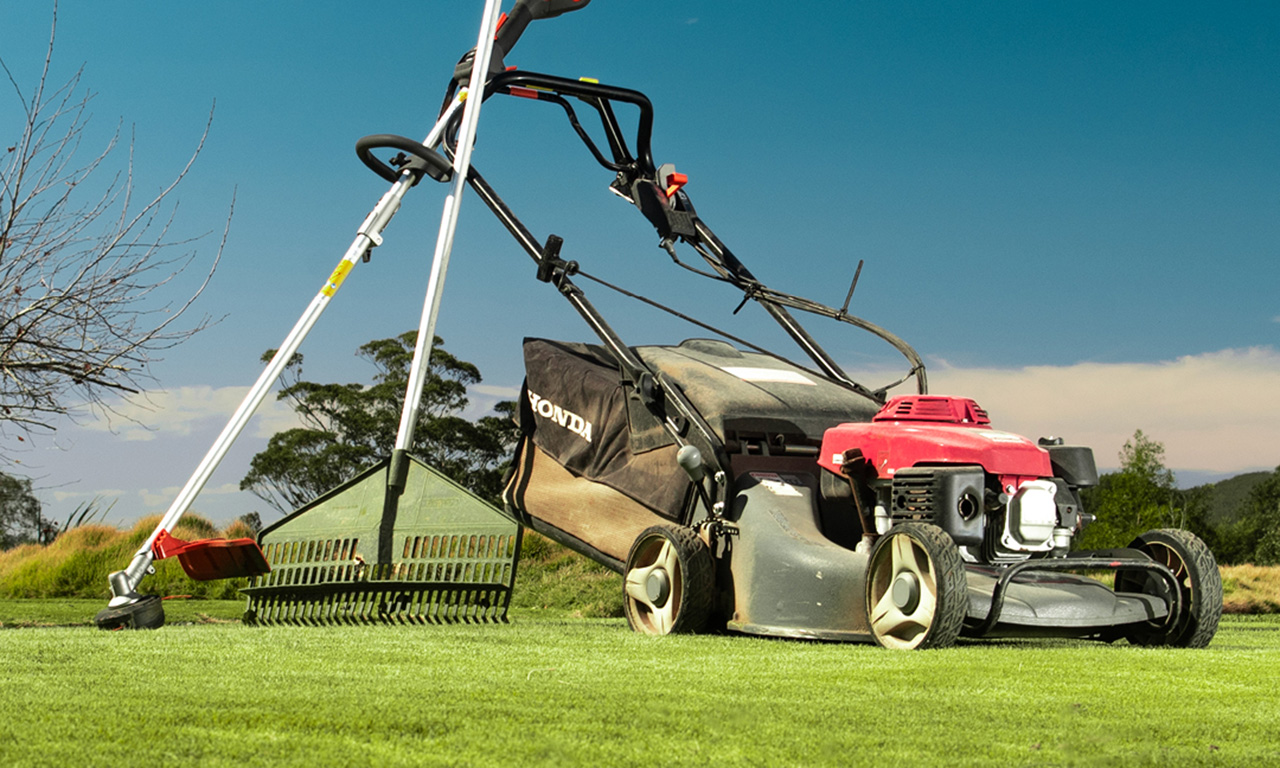
There are simple things you can do before fertilising your lawn to ensure a good outcome:
- Clear your lawn of debris
- Don't fertilise until at least two days after mowing, and wait a week after fertilising before mowing again (with the catcher off the mower)
- Run a soil test if you're concerned about the health of your soil
- Choose the right fertiliser for your lawn
- Always read the instructions and make sure you apply the proper amount in an even spread
It's generally recommended you fertilise your grass three times a year in early spring, early summer, and mid-to-late autumn. If you prefer to fertilise your lawn just once a year, it's best to do it between late spring and early summer.
Once you select the fertiliser you want to use, it's important you measure the area you want to fertilise to ensure you have enough product for an even spread.
After you measure your space, read the label and instructions before spreading or spraying the fertiliser on your grass.
When it comes to fertilising your grass, there are so many options to choose from.
Many people opt for a liquid fertiliser, which contains the active ingredients needed to quickly boost your lawn's quality and growth. Liquid fertiliser is a quick fix, however, so you will need to apply it more regularly if you choose this option.
If you're after a slow-release fertiliser lasting an entire season, granular slow-release fertiliser is a great cost-effective option that can be applied with a hand or push spreader.
Traditional fertiliser is generally the cheapest option, but that doesn't make it the best. You will need to apply it regularly and its performance does depend on your lawn being able to absorb nutrients readily.
For the environmentally-conscious, organic fertiliser is a popular option. Made up of animal or plant matter, these options are free from artificial and synthetic materials and can be applied by hand or using a spreader.
We recommend keeping your dog inside while you fertilise your lawn. The amount of time you'll need to keep them off your grass will depend on the type of fertiliser you use.
Granular fertiliser is usually very safe for pets and only requires them to stay off the grass for 24 hours after it's been applied.
If you're using a liquid fertiliser, all you need to do is wait for the liquid to dry and your pets are good to go. This generally takes a couple of hours, depending on the weather.
If your pet's a notorious grass eater, we recommend keeping them off your lawn for as long as possible to ensure they are safe.
Ingesting or inhaling fertiliser can cause your dog to experience burnt paw pads, red and watery eyes, vomiting and fatigue. If you have fertilised your lawn and notice these symptoms in your dog, contact a vet straight away.